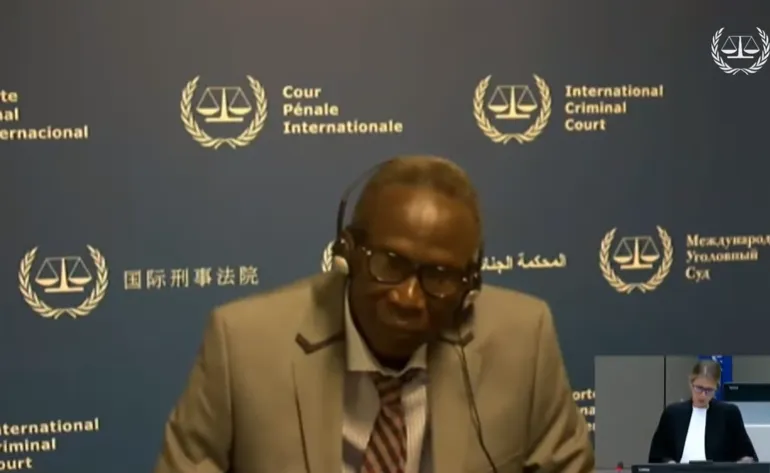
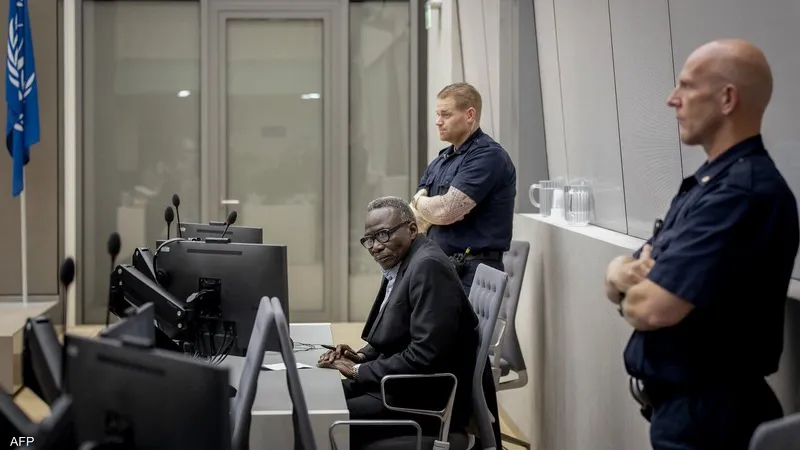
On Monday, October 6, the world witnessed a historic moment that rekindled hope in the pursuit of international justice – the conviction by the International Criminal Court (ICC) in The Hague of former Janjaweed militia leader Ali Muhammad Ali Abd al-Rahman, commonly known as Ali Kushayb.
This conviction, the result of a long and arduous trial, represents a ray of light piercing through the darkness of impunity. It affirms that justice may be delayed, but it cannot be denied forever. Yet, this crucial step is only the beginning of a much broader and deeper process — one that demands comprehensive accountability for all those whose hands are stained with the blood of innocents.
Ali Kushayb was found guilty on 27 counts of war crimes and crimes against humanity committed in the Darfur region of western Sudan between August 2003 and March 2004. These crimes included murder, rape, persecution, torture, and attacks on civilians in the towns of Kutm, Bindisi, Mukjar, and Deleig. In its 355-page ruling, the Court confirmed that Kushayb ordered, supported, and participated in widespread and systematic attacks that led to mass killings and forced displacement.
This conviction holds immense significance. It marks the first ICC judgment related to the Darfur situation, the first case referred by the UN Security Council under Resolution 1593 (2005) to result in a conviction, and the first-ever ICC conviction for gender-based persecution. These judicial precedents send a resounding message to perpetrators of atrocities in Sudan – and beyond – that justice will ultimately prevail. It stands as an acknowledgment of the enormous suffering endured by the victims and represents a long-awaited measure of redress.
It must be emphasized, however, that Ali Kushayb, despite his heinous crimes, was only a part of a broader apparatus of perpetrators who must also be brought before international justice. The ICC continues to call for the surrender of other high-profile suspects accused of similar crimes in Darfur – foremost among them former president Omar al-Bashir, along with Ahmad Harun and Abdel Rahim Muhammad Hussein, all of whom are subject to ICC arrest warrants.
Furthermore, attention must also turn to the new perpetrators of atrocities – those committing war crimes and crimes against humanity in the ongoing conflict across Sudan today.
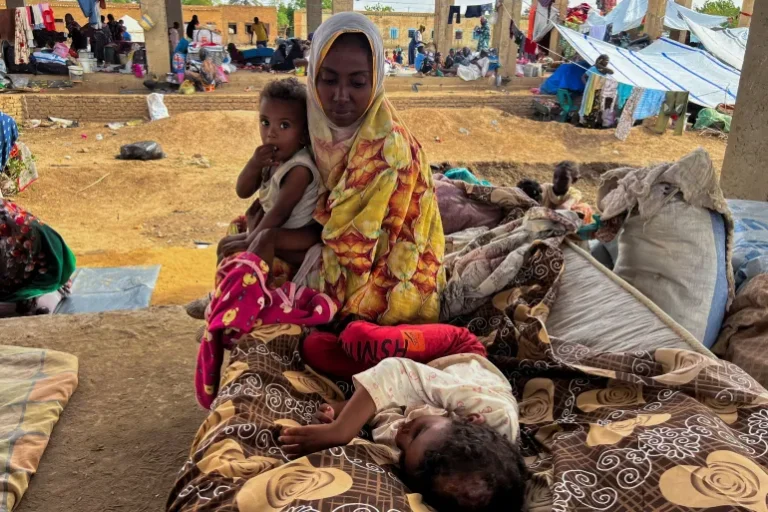
Impunity for such individuals fuels cycles of violence and undermines any effort toward peace and stability. Tragically, Sudan is once again descending into chaos amid the ongoing war between the Sudanese Armed Forces and the Rapid Support Forces (RSF), with renewed reports of mass killings and ethnically targeted attacks reminiscent of the horrors of two decades ago. This grim reality underscores a fundamental truth: selective justice is not enough. Sustainable peace demands comprehensive accountability for all perpetrators of atrocities.
The human dimension of justice extends far beyond punishment; it is a fundamental right of victims and an essential pillar for rebuilding fractured societies. Justice provides victims with recognition of their suffering and restores their stolen dignity. It helps heal the deep wounds left by conflict and rebuilds trust in the rule of law. Legally and morally, justice is the foundation upon which any lasting peace and coexistence can be built. It breaks the cycle of vengeance and lays the groundwork for reconciliation, paving the way toward a brighter future.
The collective responsibility of the international community in supporting mechanisms of justice cannot be overstated. The ICC, as a cornerstone of international justice for the most serious crimes, requires unwavering support to strengthen its independence and its capacity to hold perpetrators accountable. Justice is not revenge – it is a pursuit of moral and legal balance, and a reaffirmation of the sanctity and value of human life.
In light of this historic conviction, we call upon the international community and human rights organizations to intensify efforts to bring all those responsible for grave crimes to justice. We urge the immediate surrender of all ICC suspects, including Omar al-Bashir, Ahmad Harun, Abdel Rahim Muhammad Hussein, and all others subject to arrest warrants, as well as those newly responsible for atrocities and war crimes across Sudan. Supporting the ICC and safeguarding its independence are vital steps to ensure that no perpetrator escapes accountability, regardless of power or position.
The international community must also pay close attention to the current situation in Sudan and work urgently to end the ongoing cycle of violence, ensuring that any political solutions include strong mechanisms for accountability and justice. A lasting peace cannot be built upon impunity.
The conviction of Ali Kushayb sends a clear and powerful message – no one is above the law. Justice, though delayed, will ultimately prevail. This milestone renews hope for comprehensive justice for all victims in Sudan and particularly in Darfur, reaffirming that the long and difficult road toward justice is the only path to human dignity and human rights.
The international community must remain steadfast in its commitment to human rights and justice, and continue striving toward a world where those who commit atrocities will find no safe haven.
Mohammed Abdullah
Civil Activist and Human Rights Defender
mohammedabdalluh2000@gmail.com




+ There are no comments
Add yours